
The short answer: inspect and measure before replacing. Moisture, duct leakage, poor attic coverage, oversized HVAC equipment, failed seals, and solar heat gain require different solutions, so the most expensive upgrade is not automatically the best first step.
Energy Efficiency & Cost Reduction
Discover the most impactful upgrades specifically suited for pre-2006 Houston homes, where older systems often consume significantly more energy than modern alternatives.
Modernizing Your Home's HVAC System: A Smart Investment for Houston Homeowners
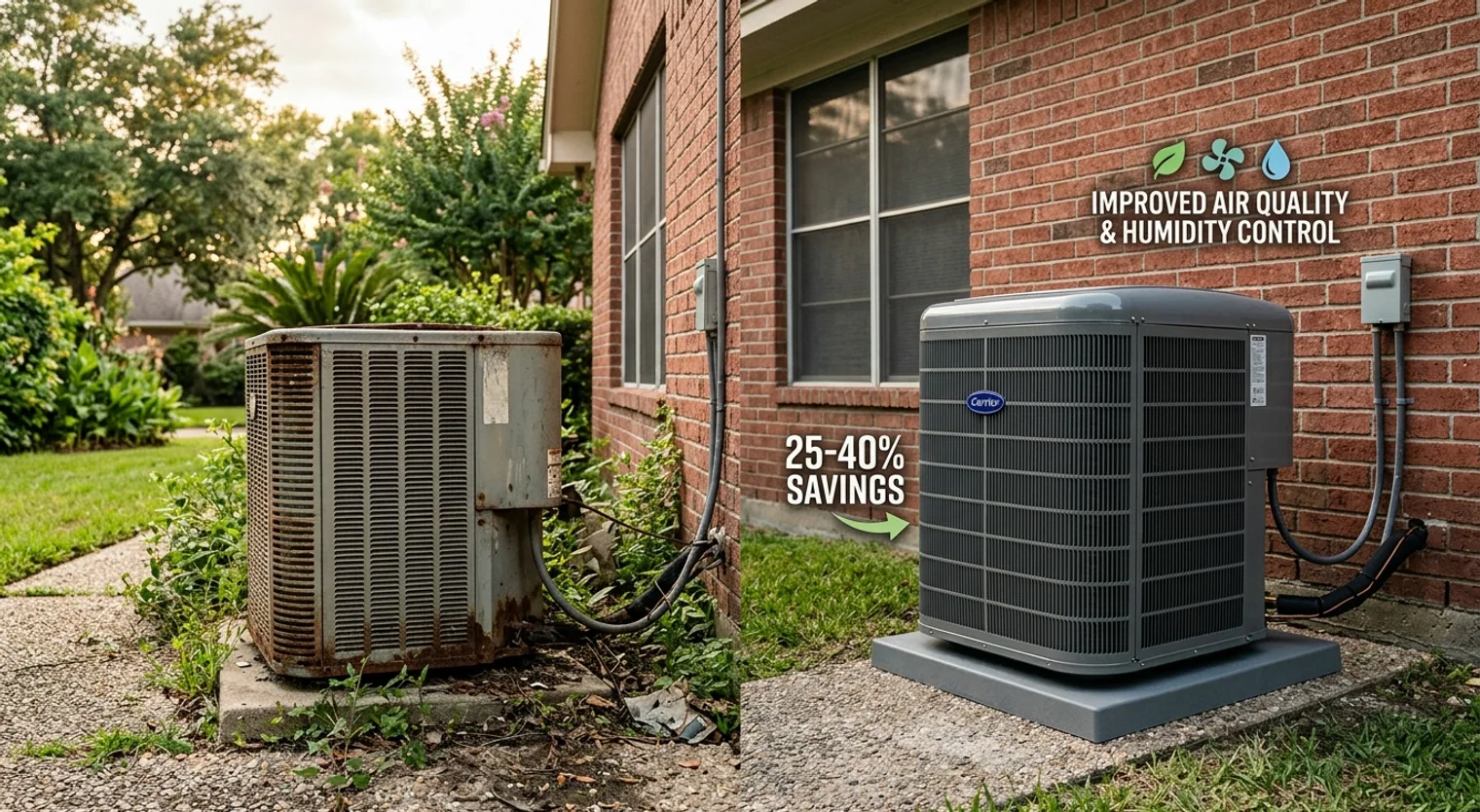
The construction year does not reveal the HVAC system's age or condition. Inspect the nameplate, service history, airflow, ducts, refrigerant performance, electrical components, and condensate drainage. A replacement estimate should include a Manual J load calculation and the proposed system's efficiency ratings. Savings vary with the old system, weather, rates, thermostat settings, and installation; a blanket 25%–40% promise is not supportable. Use the Department of Energy air-conditioning guide as a starting point.
Smart Thermostats: Taking Control of Your Energy Consumption
A programmable or smart thermostat can reduce runtime when it changes settings appropriately, but results depend on the schedule, equipment, occupancy, and prior behavior. Compatibility is not automatic for heat pumps, multi-stage equipment, or systems without a common wire. Price the device and installation against the features the household will actually use; do not assume a fixed savings rate or payback.
Home Comfort & Indoor Environment
Beyond energy savings, these improvements directly enhance your daily living experience and home comfort.
Insulation Upgrades: Why Your 1980s-1990s Home Needs Attention
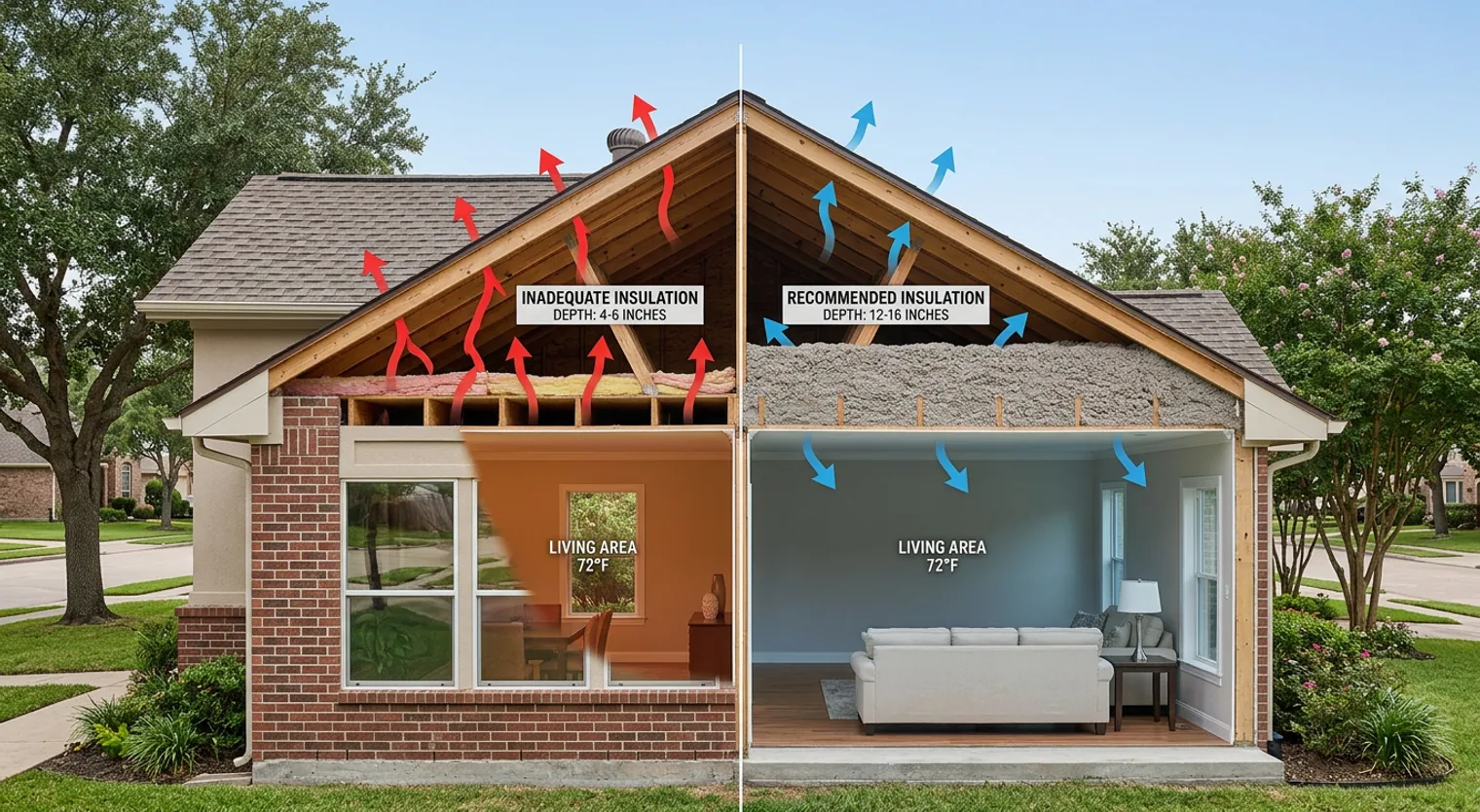
Age does not prove insulation is inadequate. Measure depth and coverage, identify the material, check for moisture and roof leaks, and air-seal accessible penetrations before adding insulation. Select the assembly using DOE insulation guidance and applicable code requirements. Do not assume a fixed HVAC-workload reduction or payback period.
Window and Door Sealing: Addressing Air Leaks in Established Homes
Weather-stripping and sealants do deteriorate, but leakage also occurs at attic hatches, plumbing and wiring penetrations, ducts, and recessed fixtures. Diagnose water intrusion separately from air leakage and never seal a designed drainage path. A blower-door test can quantify leakage before and after work; thermal imaging is most useful when indoor-outdoor conditions support it.
Property Value & Long-Term Investment
Strategic home improvements not only reduce costs but also enhance your property's market value and appeal.
Energy Efficiency as a Value Driver: What Today's Market Rewards
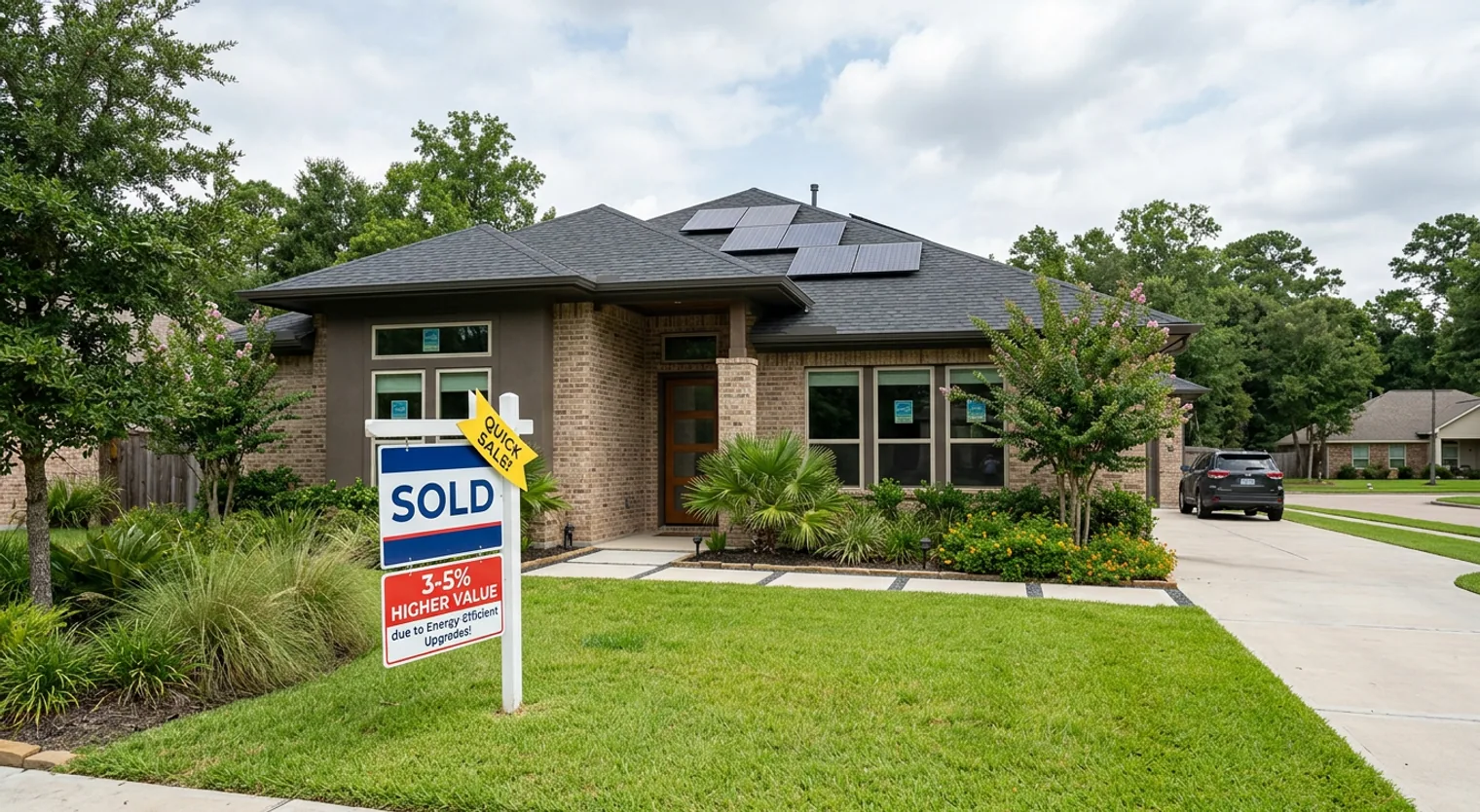
Some buyers value efficient, well-documented improvements, but there is no guaranteed Houston sale-price premium. Condition, design, neighborhood, timing, and buyer preferences all affect resale. Treat comfort and operating cost as benefits you can evaluate now; treat future resale value as uncertain.
Documentation & Warranties: Protecting Your Investment
Keep equipment specifications, NFRC labels, installation photographs, permits when applicable, paid invoices, warranty registrations, and contractor contact information. These records help with service and buyer diligence, but they do not guarantee a 2%–3% increase in value.
Compare Projects With the Same Math
For each option, record installed cost, any verified incentive, expected service life, annual maintenance, conservative annual savings, comfort or safety issue solved, and warranty exclusions. Use at least twelve months of utility bills for the baseline and document assumptions. For windows, compare exact NFRC U-factor and SHGC values and review our Houston window replacement guide.