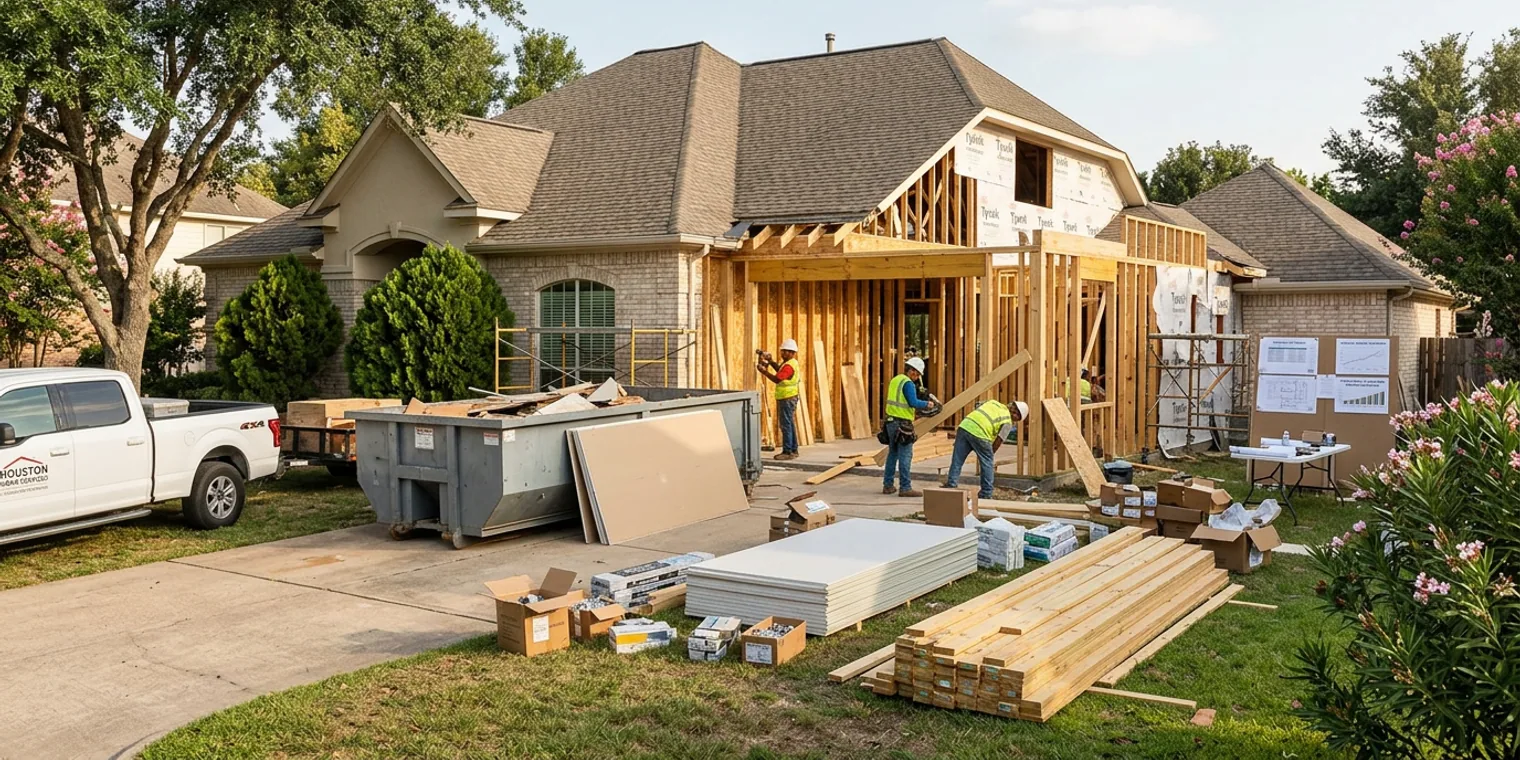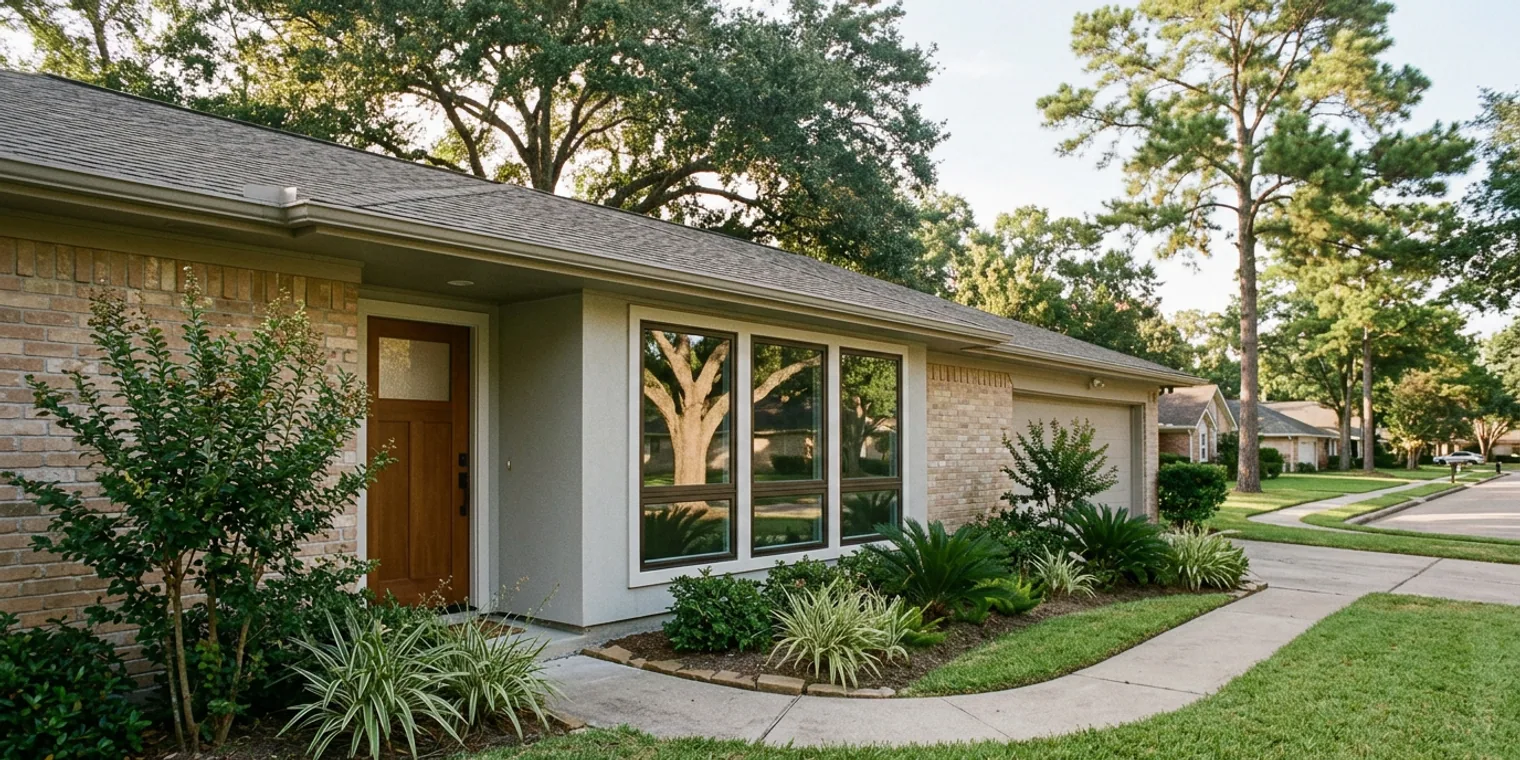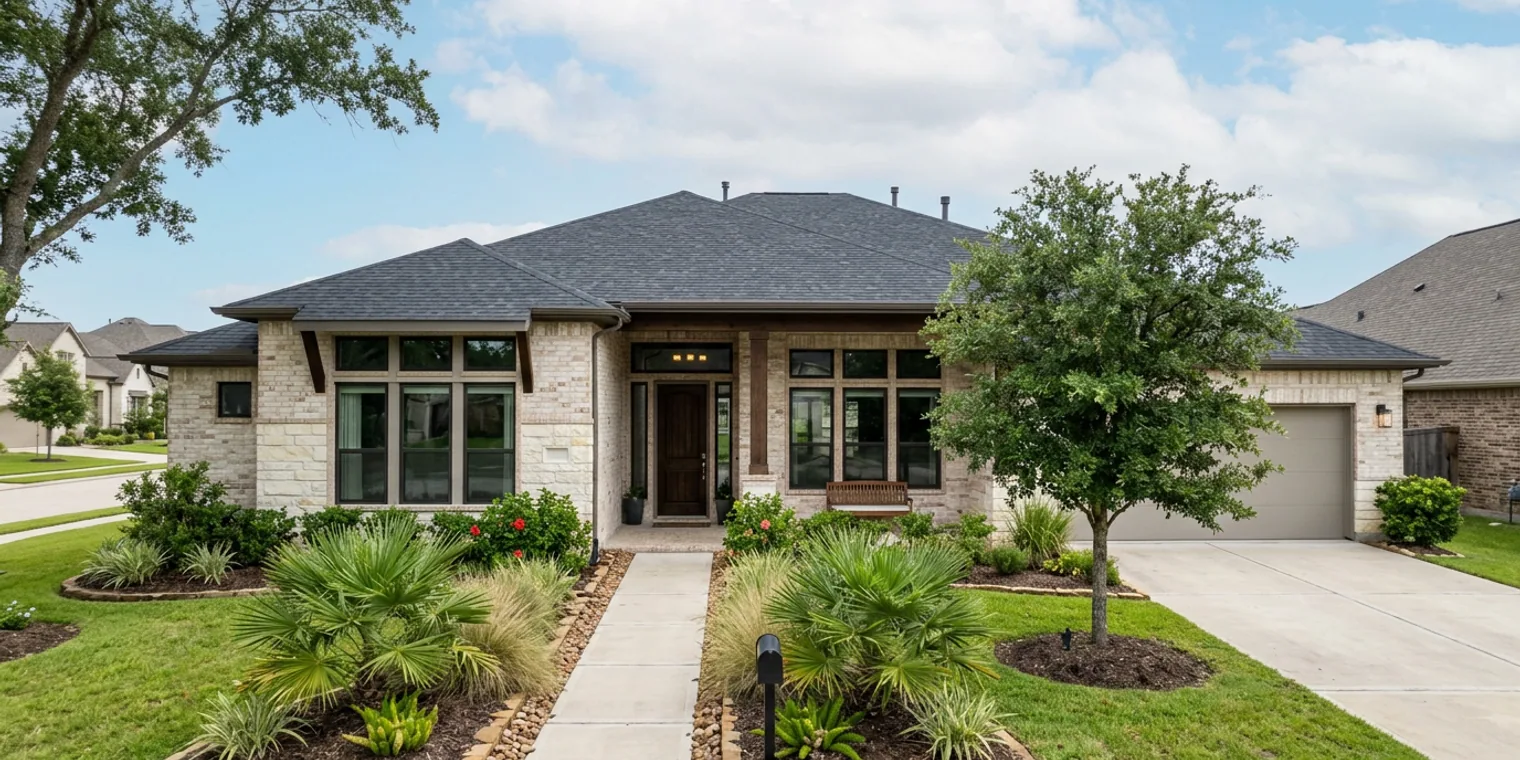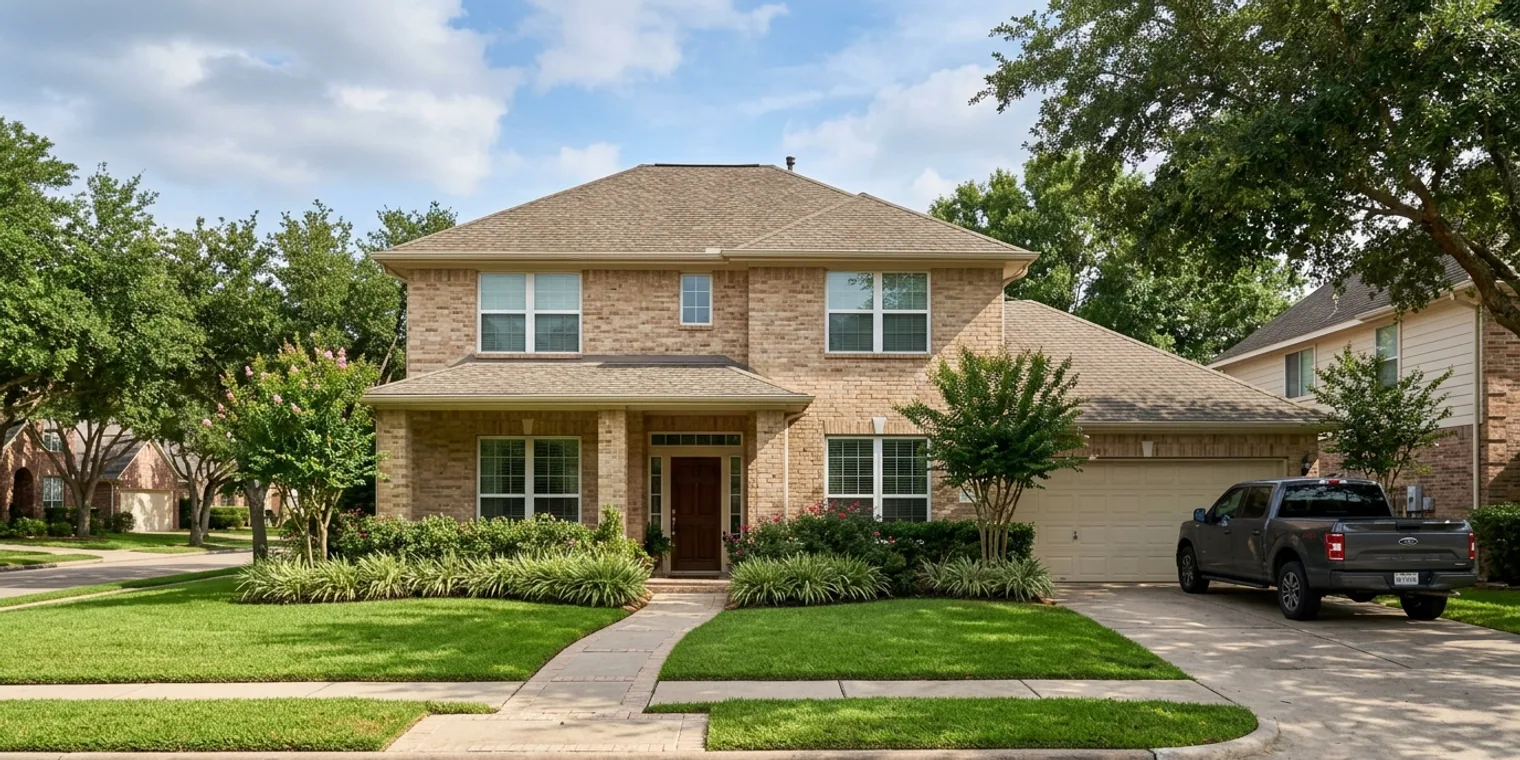

The best first upgrade is the one that fixes a measured problem. In an older Houston home, that usually means checking moisture, air leakage, attic insulation, ducts, and HVAC operation before buying major equipment or replacing every window.
Energy Efficiency & Utility Savings
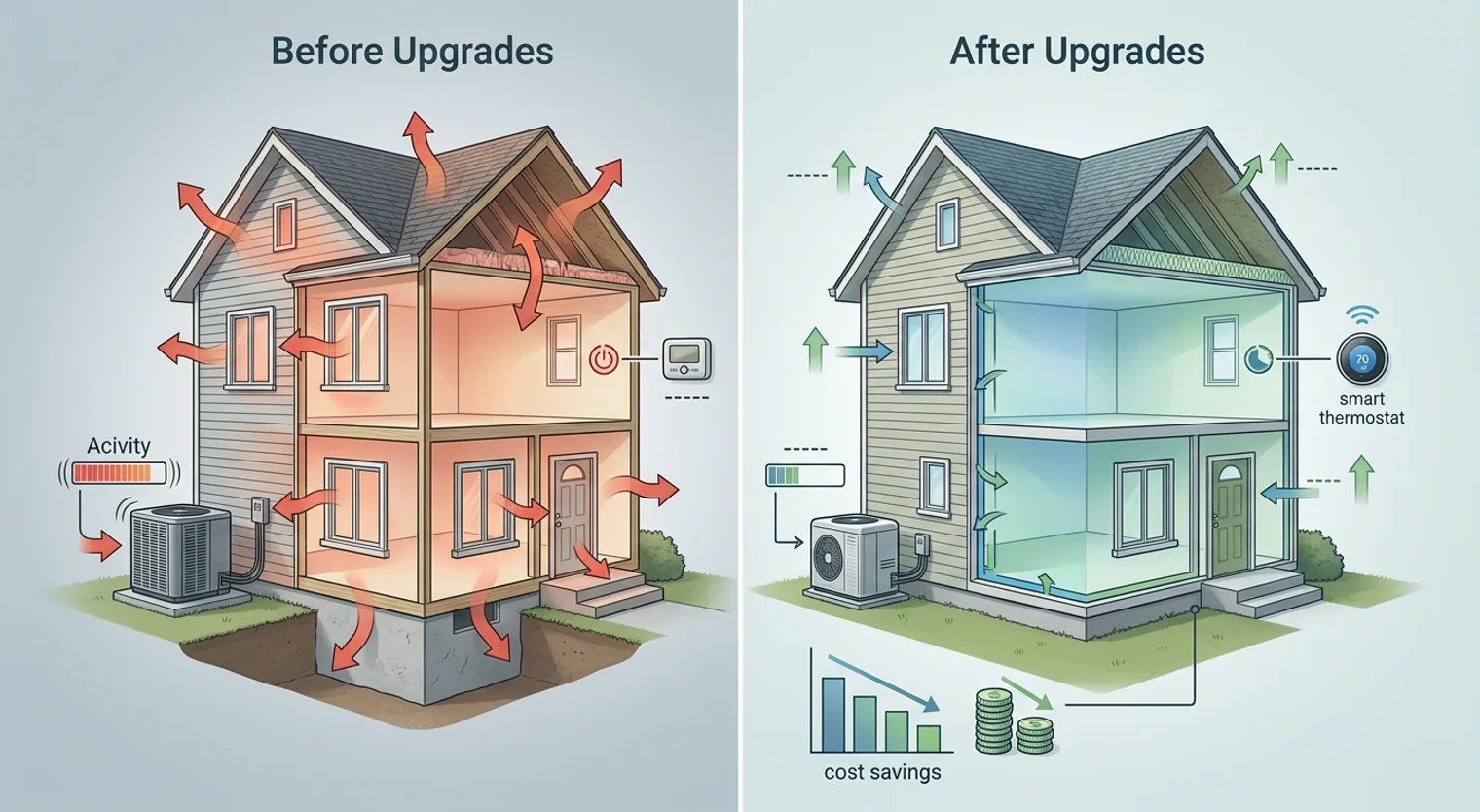
Reducing your energy costs doesn't require a complete home overhaul. Strategic upgrades to your established home can deliver significant savings while improving comfort year-round in our Houston climate.
Maximizing HVAC Efficiency in Older Houston Homes
An older or poorly operating HVAC system may use more energy than a correctly sized modern system, but no fixed Houston savings percentage or payback applies to every house. Check refrigerant and electrical performance, airflow, filters, condensate drainage, and ducts first. For replacement, request a Manual J load calculation instead of automatically matching the old equipment's capacity. See the Department of Energy air-conditioning guide for the factors that affect efficiency.
Smart Thermostat Installation: Control Without the Learning Curve
A programmable or smart thermostat can reduce runtime when it changes settings appropriately, but savings depend on the schedule, equipment, occupancy, and prior behavior. Compatibility matters for heat pumps, multi-stage systems, and homes without a common wire. Verify any rebate with the account's provider before purchase; do not assume a 25%–50% subsidy.
Window and Door Sealing: Stop Energy Waste at the Source
Air leakage can occur at attic penetrations, plumbing and wiring openings, recessed fixtures, access hatches, duct connections, and window or door perimeters. Weather-stripping and compatible sealants can address specific gaps, but avoid sealing drainage paths or trapping moisture. A blower-door test can quantify whole-house leakage and help locate priorities.
Home Comfort & Climate Control
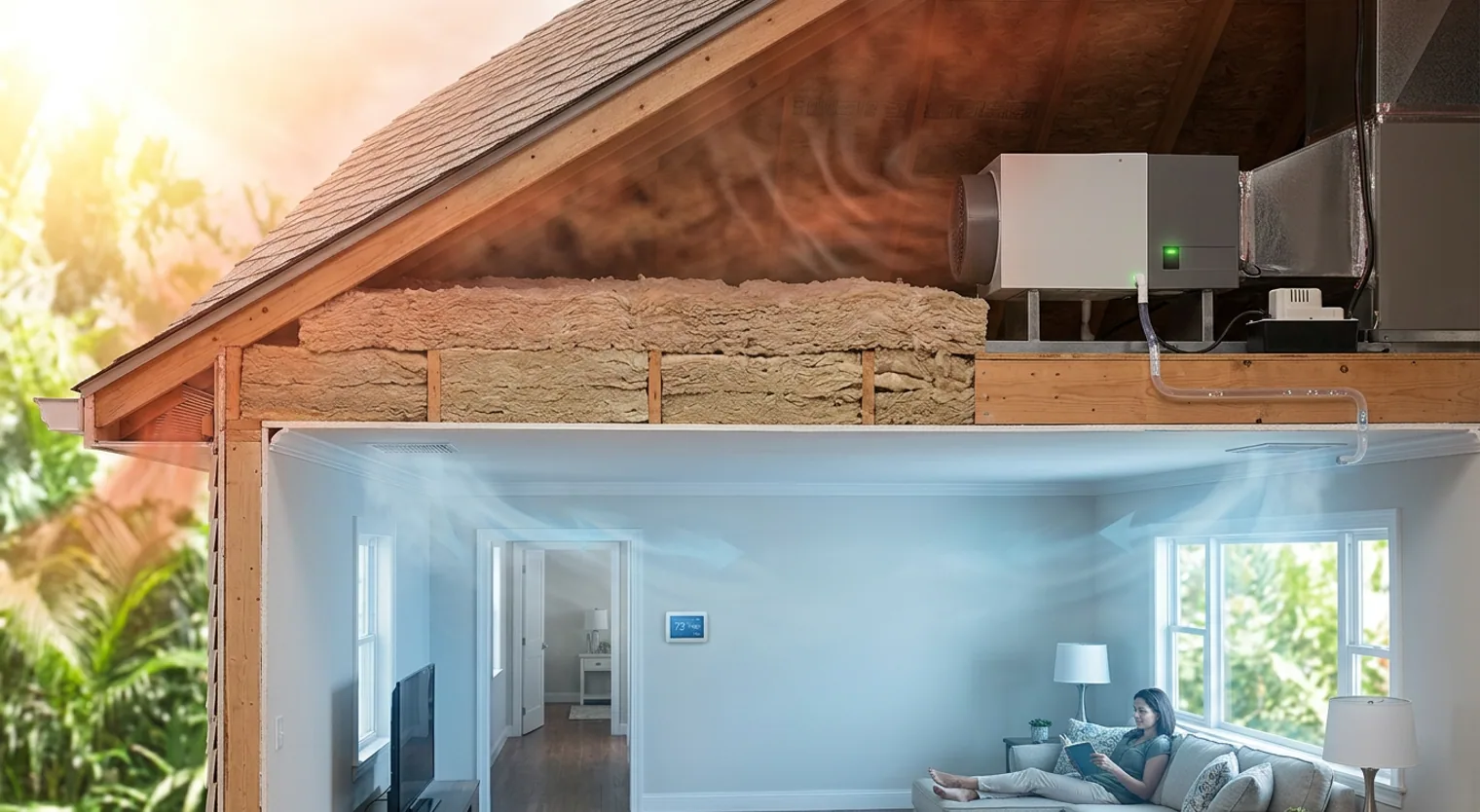
Houston's subtropical climate presents unique challenges for established homes. These improvements enhance comfort while supporting your energy efficiency goals.
Attic Insulation Upgrades: The Foundation of Home Comfort
Age alone does not prove an attic is under-insulated. Measure the existing material and depth, look for gaps and compression, identify moisture or roof leaks, and air-seal accessible penetrations before adding insulation. Use the DOE insulation guidance and local code requirements to select an assembly; do not promise a fixed temperature or bill reduction from an R-value alone.
Whole-Home Humidity Control Solutions
Houston's humidity levels can damage older homes and reduce comfort. Whole-home dehumidification systems work with existing HVAC to maintain 30-50% humidity levels, preventing mold growth and extending your home's lifespan (American Society of Heating, Refrigerating and Air-Conditioning Engineers). This is especially important for established properties with wood framing and finishes.
Strategic Home Improvements & Value Protection
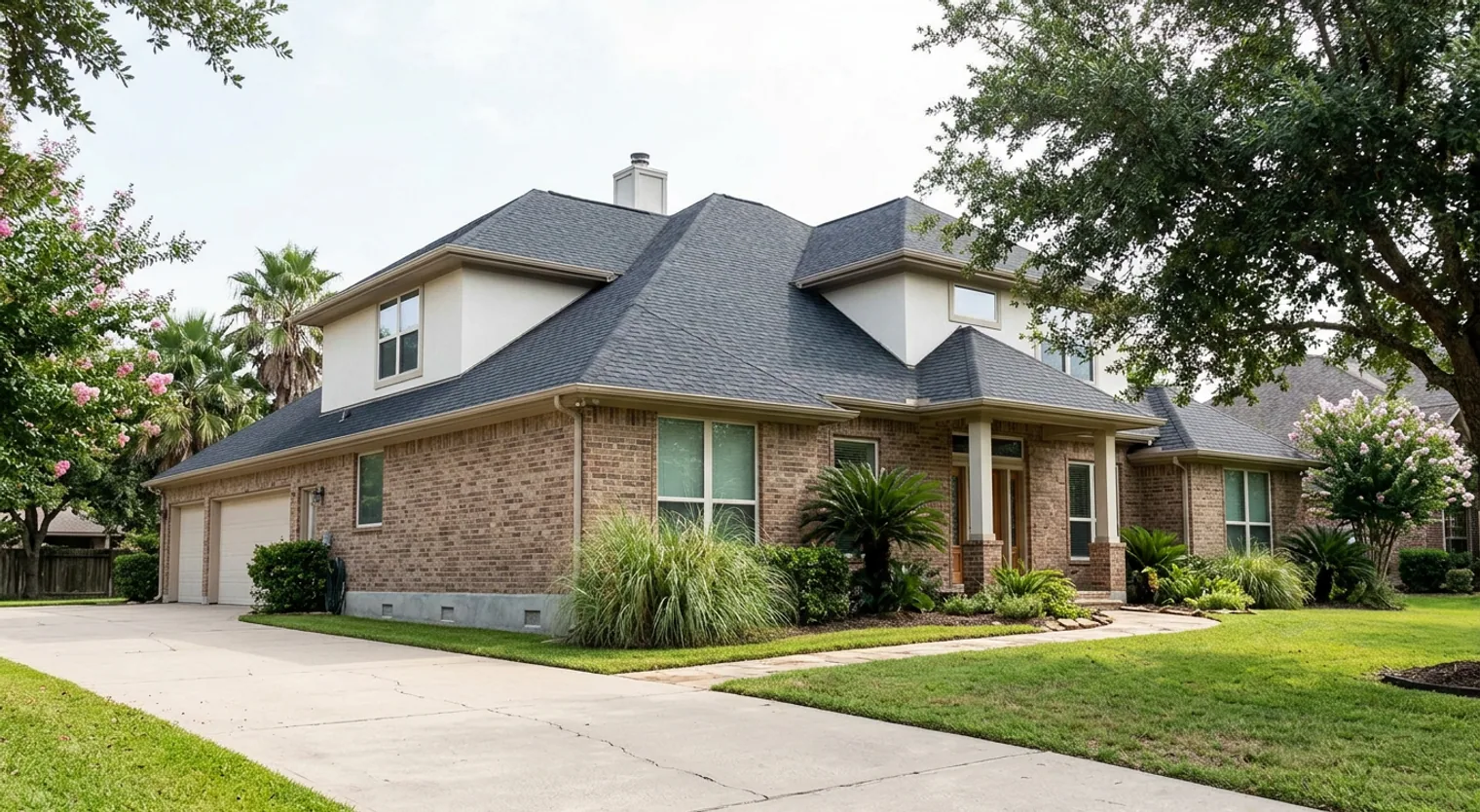
Beyond energy savings, strategic upgrades protect your home's structural integrity and maintain its value in Greater Houston's competitive market.
Roof Assessment and Preventive Maintenance for Pre-2006 Homes
Roofs installed before 2006 may be nearing end-of-life. Professional inspection identifies necessary repairs before costly damage occurs (Texas Roofing Association). In Houston's climate, preventive maintenance extends roof life by 5-10 years and protects against hurricane-season wind damage. Many established homeowners find that strategic repairs cost significantly less than emergency replacement.
Foundation Monitoring: Protecting Your Home's Core Investment
Houston's clay soil and weather patterns create unique foundation challenges. Annual professional inspections catch settlement issues early, preventing thousands in future repairs (American Society of Civil Engineers). For established homeowners, foundation maintenance is the single most important protection for property value and safety.
Financial Resources & Incentives
Take advantage of rebates, tax credits, and financing options designed to make home improvements affordable.
2024 Federal Energy Tax Credits for Homeowners
Current IRS guidance says the Energy Efficient Home Improvement Credit applied to qualifying improvements made through December 31, 2025. Do not budget a 2026 installation around that expired credit. Work completed in 2025 should be reviewed under the applicable rules with a qualified tax professional.
Houston-Area Utility Rebate Programs
Utility incentives vary by address, account, equipment, contractor, application timing, and available funding. Read the current program owner's terms before signing a contract and keep the eligibility approval with the invoice.
Conclusion
Document the starting problem, compare scopes on the same assumptions, and measure results after the work. For window-specific decisions, use our energy-efficient windows guide and window replacement planning page. A sales consultation is not a substitute for an independent energy assessment when the main goal is lower energy use.
Frequently Asked Questions
Q.What energy upgrade should an older Houston home get first?
Start with a home energy assessment, obvious moisture problems, air sealing, insulation coverage, ducts, and HVAC maintenance. Replace equipment or windows when measurements and condition justify it.
Q.How much will a new Houston HVAC system save?
There is no responsible fixed percentage without the existing equipment, load, ducts, thermostat settings, rates, and replacement system. Ask for a Manual J load calculation and written assumptions.
Q.Are federal home-efficiency credits available for 2026 work?
The federal Energy Efficient Home Improvement Credit ended for qualifying property placed in service after December 31, 2025. Utility programs vary, so verify current written terms for the account.
Q.Why inspect the attic before adding insulation?
Insulation slows heat flow, but the right scope depends on existing depth, material, air leakage, moisture, ventilation, and code requirements. Inspect before choosing an R-value target.